Navigating Texas Soils: Testing, Risks & Solutions
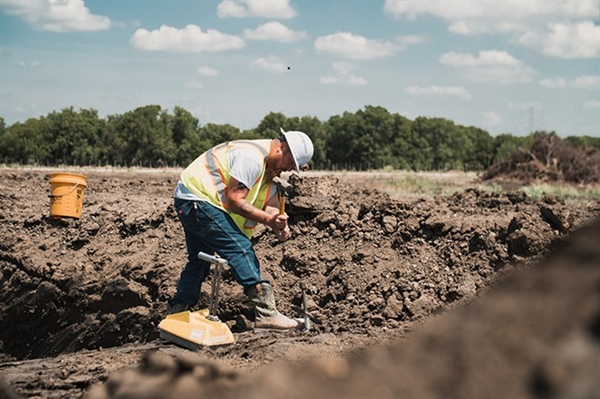
Texas offers a booming market for developers and construction professionals. However, the state's diverse geography presents significant hurdles before a single foundation is poured. The ground beneath your feet can be one of the most unpredictable variables in your entire project timeline.
Developers frequently encounter soil types that expand, shrink, or shift depending on the weather. These highly reactive ground conditions threaten structural integrity if not properly addressed early in the planning phase.
Understanding the unique composition of Texas dirt is vital for any successful build. By implementing rigorous testing protocols and engineered solutions, you can protect your investment and keep your project on schedule. This guide explores the specific challenges of building in Texas, the warning signs to watch for, and how expert geotechnical engineering ensures long-lasting results.
The Unique Challenges of Texas Soils: Expansive Clays & Moisture Sensitivity
Texas is notorious for its expansive clay soils, particularly in regions like the Dallas-Fort Worth Metroplex, Austin, and San Antonio. These clays behave like a sponge. During the state's heavy spring rains, the soil absorbs water and expands significantly. When the harsh summer droughts arrive, the soil dries out and shrinks, leaving deep cracks in the ground.
This constant swelling and shrinking exerts immense pressure on building foundations. Without proper site preparation and design, structures can suffer from severe cracking, uneven settling, and costly long-term damage.
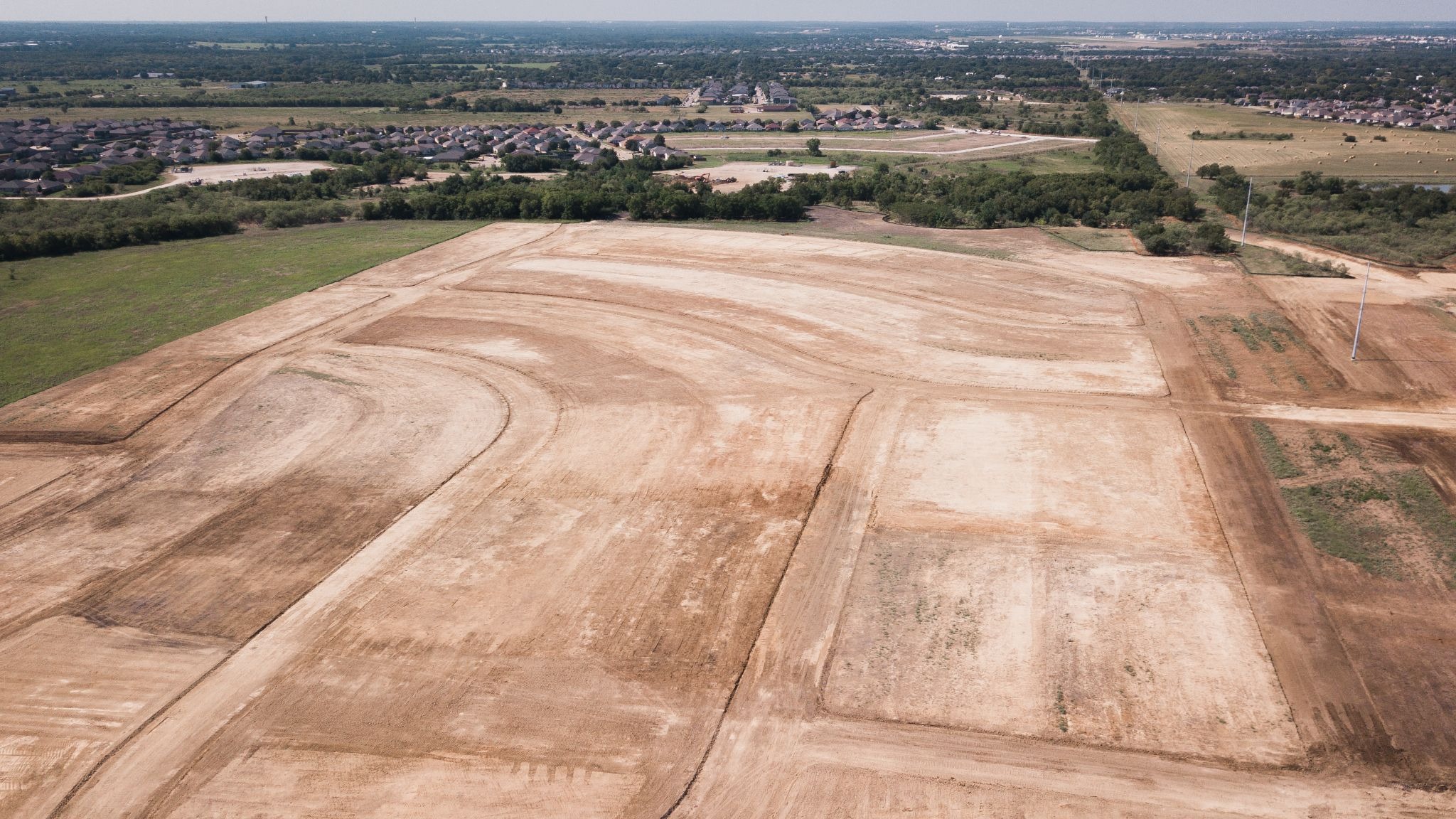
Essential Soil Testing Methods for Developers
To mitigate these risks, comprehensive soil testing is a vital pre-construction task. Getting site-specific design recommendations quickly helps keep your project on track and within budget.
Surface & Subsurface Investigations
Geotechnical engineers conduct extensive drilling and sampling to understand the soil profile at varying depths. This process identifies the active zone — the depth at which soil moisture fluctuates most drastically throughout the changing seasons.
Atterberg Limits Testing
This laboratory test determines the plasticity of the soil. By measuring how the soil behaves at different moisture contents, engineers can precisely predict the shrink-swell potential of the site and design a foundation capable of withstanding those ground movements.
Red Flags During Soil Investigation
Recognizing warning signs early prevents costly delays and structural failures down the line. During initial site investigations, several indicators suggest a highly reactive environment.
Deep surface cracks during dry spells are a clear visual cue of expansive clays. Poor drainage or pooling water after a rainstorm points to low soil permeability, which can lead to excessive moisture accumulation around a foundation.
Additionally, the presence of certain vegetation, like large trees near the building site, can exacerbate soil shrinkage as root systems draw massive amounts of water from the surrounding ground.
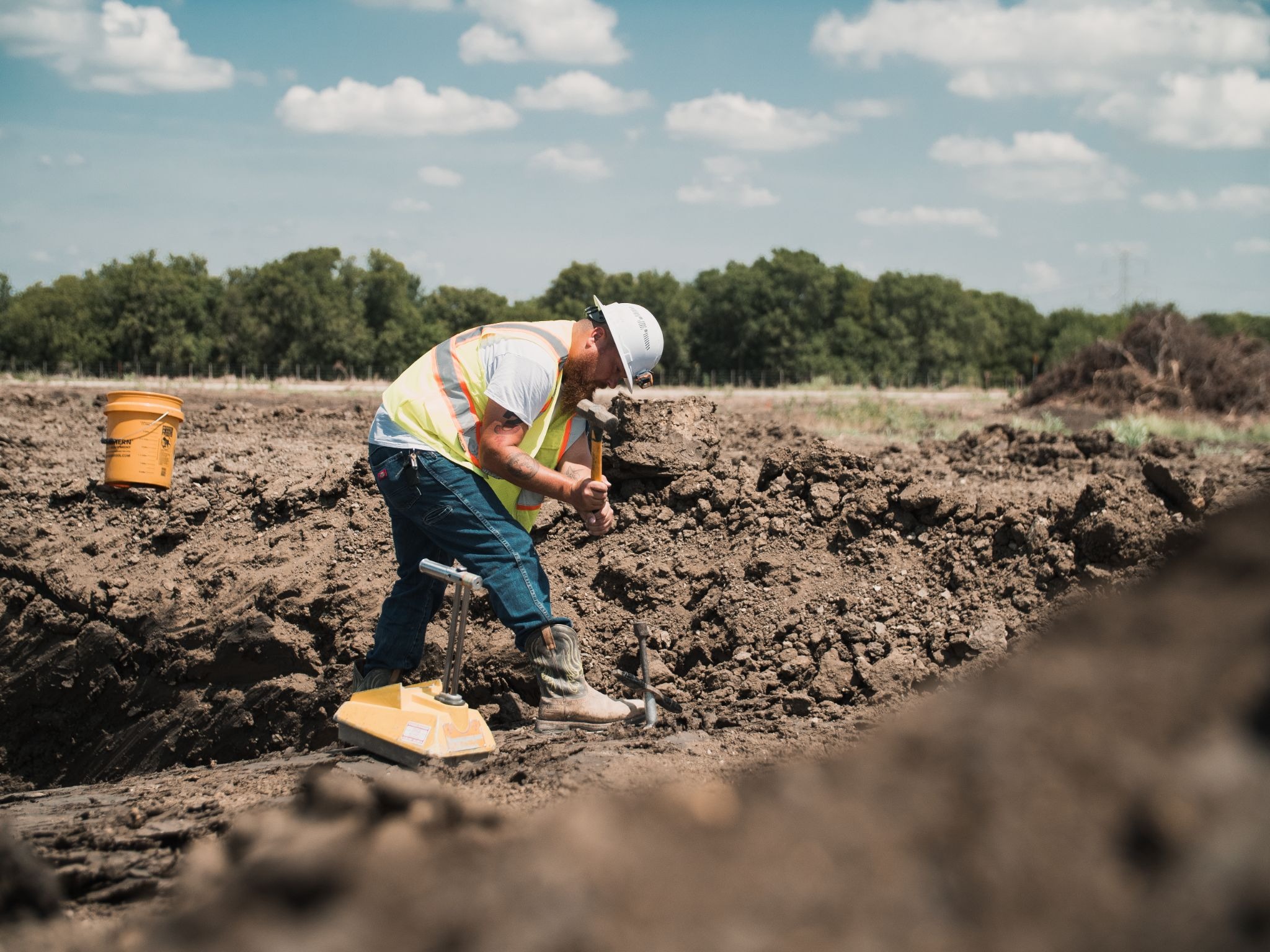
Engineering Solutions for Difficult Soils
Once the risks are identified, developers need practical, solution-driven results. Geotechnical engineers employ several proven strategies to stabilize the site and support the structure.
Soil Stabilization Techniques
Chemical injection is a highly effective method used across Texas. By mixing lime or potassium into the dirt, engineers can alter the chemical composition of the clay, significantly reducing its ability to expand and contract.
Another approach involves moisture conditioning, which intentionally pre-swells the soil before construction to establish a stable, predictable baseline.
Advanced Foundation Design
Standard slab-on-grade foundations often fail on highly expansive soils. Instead, engineers may recommend post-tensioned slabs that offer greater flexibility and tensile strength.
For more extreme conditions, deep foundation systems, such as drilled shafts or piers, are utilized. These bypass the volatile active zone entirely to anchor the building into stable bedrock or deeper, non-reactive soil layers.
How Terradyne Secures Your Project
No matter the size of your construction project, your timeline only works if you partner with reliable geotech engineers who can accommodate your needs and schedule. With Terradyne, you work with experts backed by nearly 30 years of trusted ingenuity, professionalism, and solution-driven results.
We assist developers throughout the entire pre-construction process. From conducting rapid surface and subsurface investigations to delivering detailed soil reporting, our team provides the exact data you require. We then translate those findings into site-specific design recommendations and construction criteria, ensuring your foundation is engineered perfectly for Texas terrain.
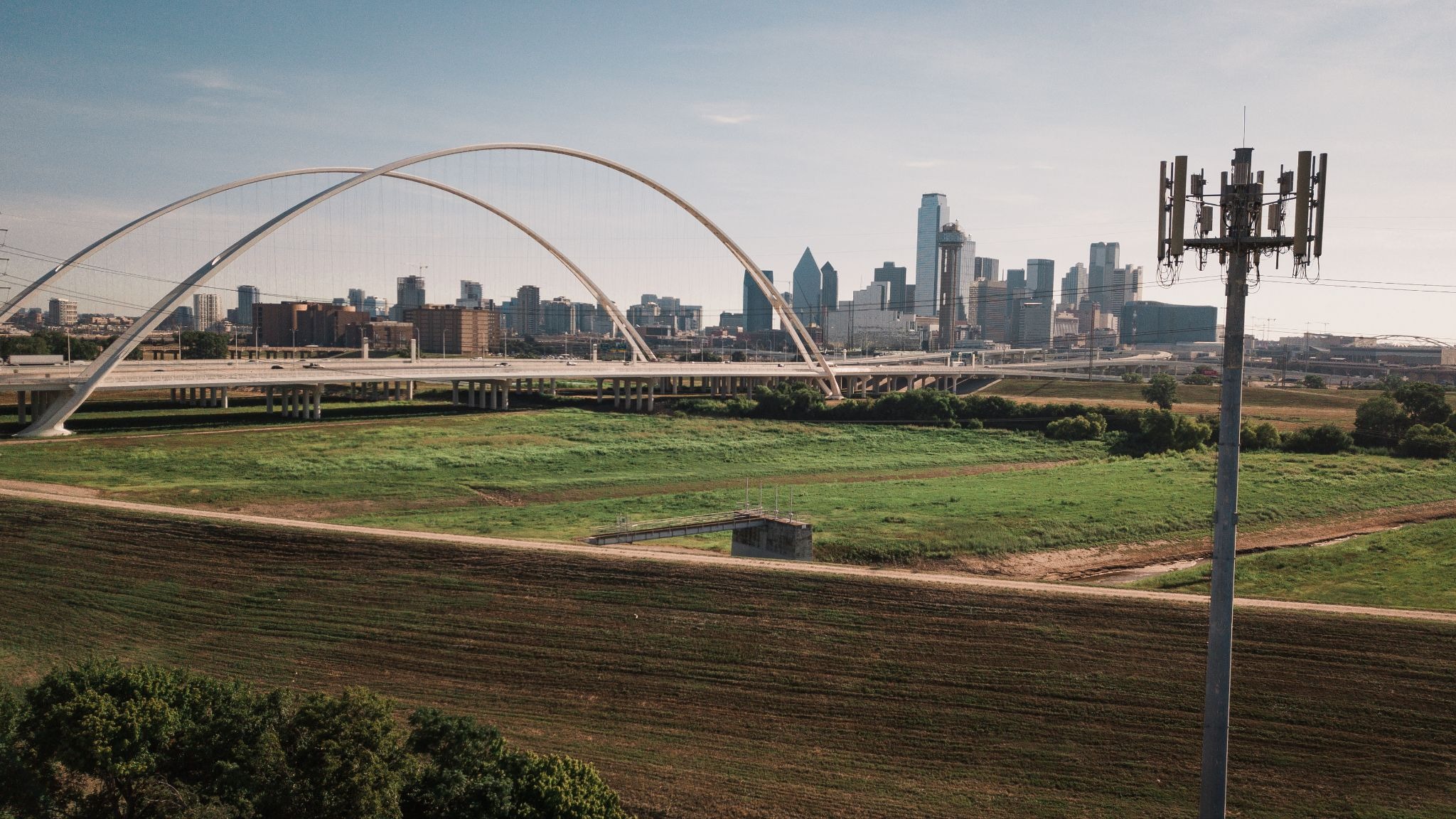
The foundational work our team provides can be seen in the numerous projects completed on time and with design accuracy throughout Texas and Colorado.
Build With Confidence in Texas
Challenging soils do not have to derail your construction goals. By identifying the unique characteristics of your site and implementing tailored engineering strategies, you can build safe, enduring structures anywhere in the state.
Protect your next project from the ground up. Contact Terradyne today to schedule your comprehensive soil investigation and receive the expert design recommendations necessary for a successful, long-lasting build.